When Does a Damaged Tooth Need a Dental Crown in Phoenix, AZ?
Is your tooth feeling uncomfortable? Calaway Dental provides expert restorative dentistry with custom crowns to ensure comfort and a natural look.
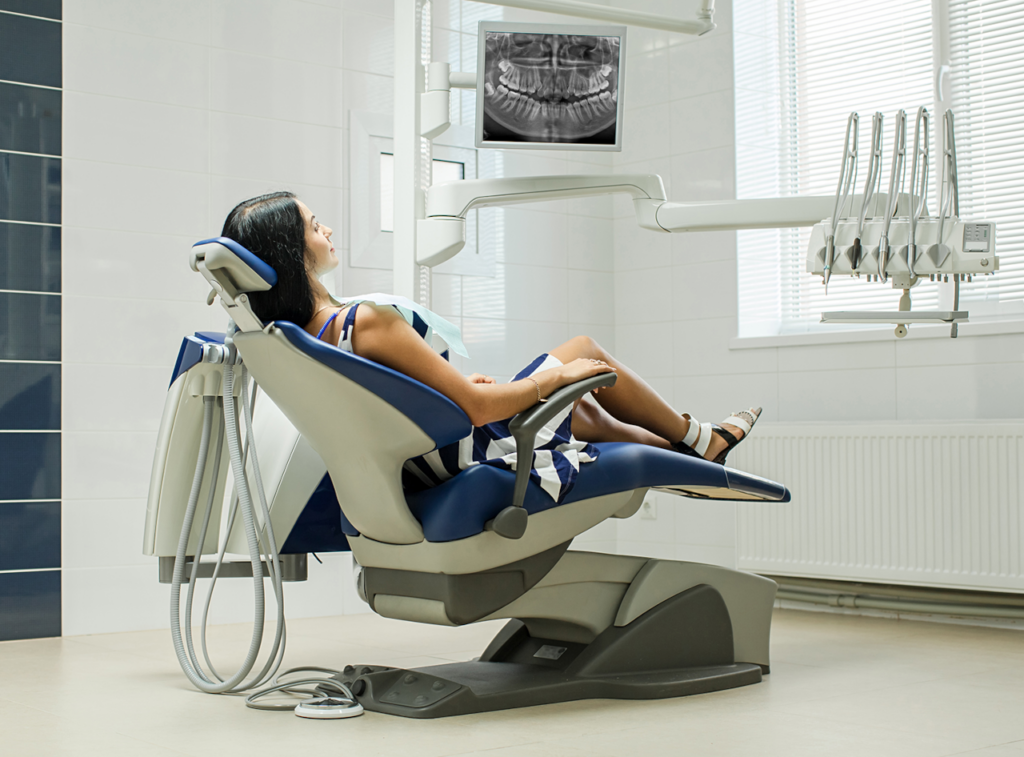
A tooth can look relatively normal on the outside while becoming weaker underneath. Maybe you have an old filling that has started to fail, a tooth that feels uncomfortable when you bite, or a crack that appeared after years of everyday use. So how do you know when a damaged tooth needs more than a filling?
At Calaway Dental, we provide restorative dentistry in Phoenix, including custom dental crowns designed to protect damaged teeth while restoring comfortable function and a natural appearance. Rather than taking a one-size-fits-all approach, we carefully evaluate the tooth and explain your options so you understand why treatment may be recommended.
What Is a Dental Crown?
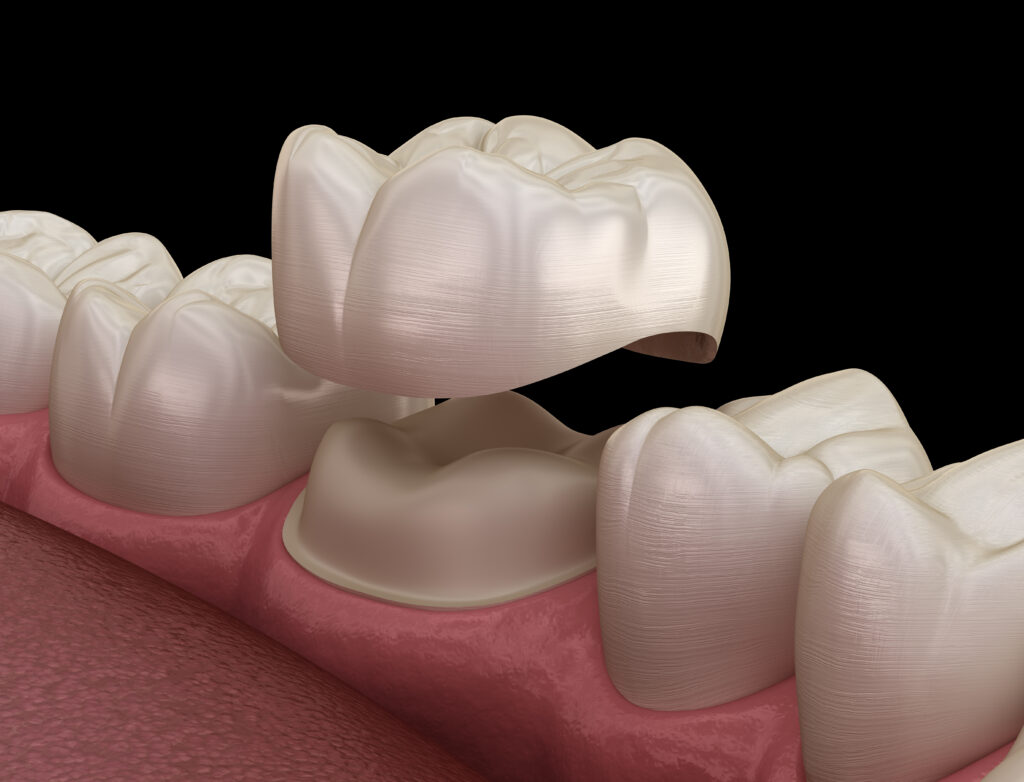
A dental crown is a custom restoration that covers and protects the visible portion of a tooth. You can think of it as a protective new surface designed to restore the tooth’s shape, strength, and function.
Crowns are often recommended when a tooth has lost too much healthy structure to be predictably repaired with a filling alone. In addition, they can help distribute biting forces across the tooth more evenly, which is especially important when the remaining tooth structure has become fragile.
At our Phoenix dental office, we use digital impressions, careful shade matching, and high-quality restorative materials to plan dental crowns that blend naturally with the rest of your smile. The goal is not simply to cover a tooth. Instead, we want your restoration to feel comfortable, function properly, and look like it belongs.
Signs a Tooth May Need a Dental Crown
Not every damaged tooth requires a crown. However, several situations may indicate that additional protection is needed.
- A large filling has weakened the remaining tooth.
- A tooth is cracked, fractured, or significantly worn.
- You experience discomfort when chewing or biting.
- A tooth has undergone root canal therapy and needs additional protection.
- There is extensive decay that cannot be repaired predictably with a smaller filling.
- An older restoration is breaking down and has left the tooth vulnerable.
Sometimes there are no dramatic symptoms. For example, a crack may be discovered during a routine examination before it causes significant pain. That is one reason consistent preventive dental care can be valuable. Early detection gives us an opportunity to address structural problems before a larger piece of the tooth breaks.
Why Waiting on a Cracked or Weakened Tooth Can Be Risky
If a tooth is still usable, it can be tempting to postpone treatment. However, weakened teeth do not rebuild lost enamel on their own. Continued chewing pressure can cause an existing crack or fracture to spread.
For example, imagine a back tooth with a very large filling. The filling may still be intact, but there may only be thin walls of natural tooth remaining around it. Every time you chew, those walls absorb pressure. Eventually, one may fracture.
Once additional tooth structure is lost, your treatment options may change. Therefore, protecting a compromised tooth before it breaks further can sometimes help preserve more of your natural smile.
That does not mean every suspicious tooth automatically needs a crown. We use digital diagnostics and a careful clinical evaluation to understand what is happening first. Then, we explain what we see and discuss the treatment options that make sense for you.
What to Expect When Getting a Dental Crown
Your dental crown process begins with an evaluation. We listen to your symptoms, examine the tooth, and use appropriate digital diagnostics when needed. If a crown is the right treatment, we prepare the tooth so the restoration has a stable foundation.
Next, digital impressions help us capture the shape and position of your tooth without relying on traditional messy impression trays. Your crown can then be designed with attention to your bite, neighboring teeth, and natural tooth color.
Once the final restoration is ready, we check its fit carefully. We also evaluate how your teeth come together when you bite. Even small details matter because a crown should feel comfortable when you chew, speak, and go about your normal day.
Calaway Dental also uses advanced restorative technology, including digital impressions and detailed shade matching, to make the process more precise and easier to understand.
Will a Dental Crown Look Natural?
This is one of the most common questions patients have, particularly when a crown will be visible while smiling.
Modern restorative materials allow us to create dental crowns with very natural-looking color, shape, and translucency. In addition, careful shade matching helps the restoration blend with surrounding teeth rather than standing out.
We also consider proportion. A tooth should not simply be “white.” It should have a shape and size that make sense within your smile.
This attention to both function and appearance is a major part of our approach to restorative dentistry. Repairing a damaged tooth should help you chew comfortably, but it should also allow you to smile without constantly thinking about your dental work.
How to Care for Your Crown
A crowned tooth still requires normal oral hygiene. Although the restoration itself cannot develop a cavity, the natural tooth underneath and the area near the gumline still need protection.
Brush thoroughly twice a day, floss around the crown, and maintain regular dental examinations and professional cleanings. In addition, let us know if your crown ever feels loose, your bite suddenly feels different, or you develop new sensitivity around the tooth.
With consistent home care and professional monitoring, a well-planned restoration can provide years of comfortable function.
Benefits of Restoring a Damaged Tooth
Dental crowns have been used successfully for decades to strengthen compromised teeth and restore function. Dental research and guidance from established oral-health organizations consistently emphasize preserving natural tooth structure whenever possible and using appropriate restorative care when decay, fractures, or structural damage compromise a tooth.
A properly selected crown can protect remaining tooth structure, restore chewing ability, improve appearance, and reduce the chance that an already-weakened tooth will fracture further. However, the right restoration always depends on the condition of your individual tooth, which is why an examination comes first.
Protect Your Smile Before a Small Problem Becomes a Bigger One
If you have a cracked tooth, a large older filling, or discomfort when chewing, you do not have to wait for the tooth to break before having it evaluated. We can examine the area, show you what we see, and help you understand whether a dental crown or another restorative option is appropriate.
Contact Calaway Dental in Phoenix, AZ at 602-955-7788 to schedule an appointment and let us help you protect your tooth with comfortable, personalized restorative care.
Ready for a personal answer?
Online education is helpful, but it cannot replace an individual examination. Schedule a consultation or call the practice to discuss your next step.
Schedule onlineGood decisions start
with clear answers.
 Read post ↗Emergency Dentistry ·
 Same-Day Emergency Dentist in Phoenix, AZ: When You Should Seek Immediate Care
 Read post ↗General Dentistry ·
 Same-Day Dental Crowns in Phoenix, AZ: Restore Your Tooth in One Visit
 Read post ↗Clear Aligners ·