Can a Custom Sleep Appliance Help With Snoring in Phoenix, AZ?
Does snoring interrupt your household’s sleep? Perhaps your partner regularly mentions the noise, or you have tried changing pillows and sleeping positions without finding…
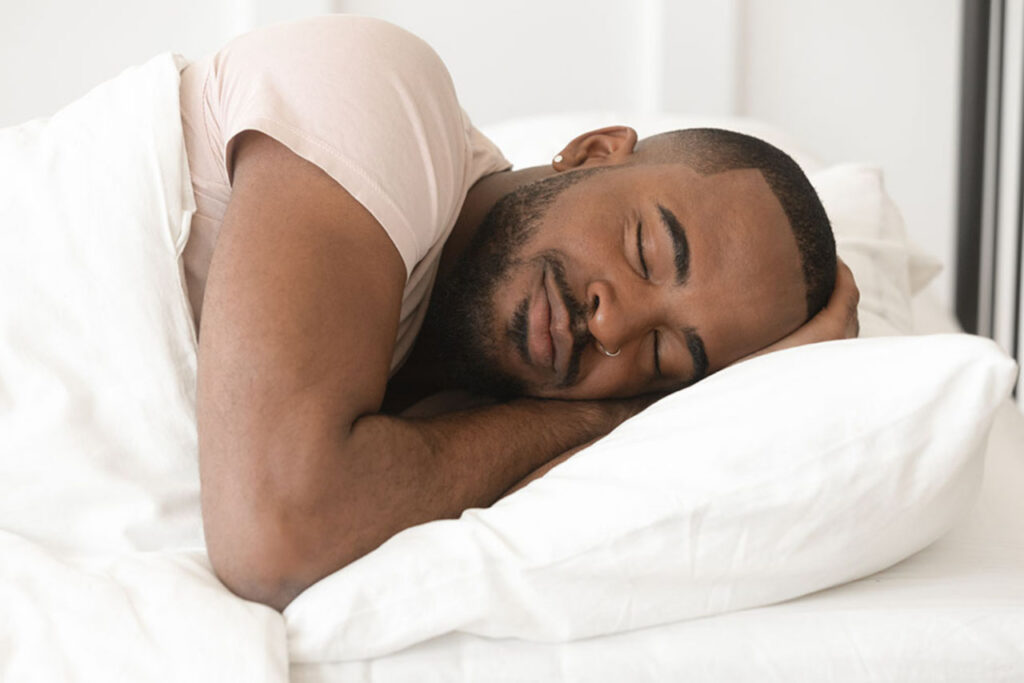
Does snoring interrupt your household’s sleep? Perhaps your partner regularly mentions the noise, or you have tried changing pillows and sleeping positions without finding a reliable solution. Although snoring is common, persistent snoring can be frustrating and may deserve further evaluation.
At Calaway Dental, we provide custom sleep appliances in Phoenix, including anti-snoring devices and oral appliances for appropriate patients who have been evaluated for sleep apnea by a physician. Our approach focuses on careful dental assessment, digital design, and a comfortable custom fit.
Not every person who snores needs an oral appliance. However, understanding how these devices work and when they may be appropriate can help you explore your options with greater confidence.
Why Do People Snore?
Snoring occurs when air moves through a narrowed airway during sleep, causing nearby tissues to vibrate. The sound can vary from occasional light snoring to frequent, disruptive noise.
Several factors may contribute to snoring, including sleeping position, nasal congestion, airway anatomy, alcohol consumption, and changes in muscle relaxation during sleep.
In some individuals, the position of the lower jaw and tongue can contribute to airway narrowing. This is one reason certain oral appliances may help reduce snoring.
However, identifying the underlying cause matters. Snoring does not always indicate a serious condition, but it can sometimes be associated with obstructive sleep apnea.
Because sleep apnea is a medical condition, it requires appropriate evaluation rather than relying on a dental appliance without a diagnosis.
What Is a Custom Anti-Snoring Appliance?
A custom anti-snoring appliance is a small device worn inside the mouth during sleep. Certain designs help position the lower jaw in a way that may improve airflow and reduce tissue vibration.
Unlike generic devices purchased online, custom appliances are designed around the shape of your teeth and bite.
At Calaway Dental, we use digital design, custom fitting, and 3D-printing technology as part of our appliance services.
This individualized approach allows us to consider your dental anatomy, existing restorations, and comfort when planning treatment.
Because the appliance is intended for regular nighttime use, a stable and comfortable fit is especially important. A device that causes significant irritation or does not fit correctly may be difficult to wear consistently.
How Can an Oral Appliance Reduce Snoring?
Some anti-snoring oral appliances work by gently positioning the lower jaw forward. This can help create additional space behind the tongue and reduce certain types of airway obstruction during sleep.
When the airway is less restricted, there may be less vibration of surrounding tissues and, consequently, less snoring.
However, results vary. Not every type of snoring responds to the same approach, and some patients require additional medical evaluation or treatment.
We also consider the condition of your teeth and jaw before recommending an appliance. For example, existing dental problems, significant jaw discomfort, or certain bite concerns may influence whether a particular device is suitable.
Our goal is to recommend an appliance only when it is appropriate for your individual situation.
What Is the Difference Between Snoring and Sleep Apnea?
Snoring and obstructive sleep apnea are related but different conditions.
Snoring involves vibration of tissues during breathing. Sleep apnea involves repeated episodes of reduced or interrupted airflow during sleep.
Some warning signs that may suggest sleep apnea include:
- Loud, frequent snoring
- Witnessed pauses in breathing
- Gasping or choking during sleep
- Excessive daytime sleepiness
- Morning headaches
- Difficulty concentrating during the day
These symptoms do not confirm a diagnosis. However, they warrant discussion with a qualified medical professional.
Calaway Dental does not perform sleep studies. For sleep apnea appliance treatment, we require a physician’s referral or sleep-study results.
This distinction is important because oral appliance therapy should be part of an appropriate treatment plan rather than a substitute for medical diagnosis.
What Happens During a Sleep Appliance Consultation?
Your appointment begins with a conversation about your concerns and treatment goals.
We may ask about your snoring history, previous appliance use, dental health, and whether you have already undergone medical evaluation for sleep-related breathing concerns.
Next, we examine your teeth, bite, and oral structures. Digital records may be used to support appliance planning.
If an appliance is appropriate, we discuss its intended purpose, how it should fit, and what you can expect during the adjustment period.
After fabrication, we evaluate the appliance and provide instructions for use and maintenance.
Follow-up care is also important. If the appliance causes discomfort, changes your bite, or becomes damaged, we want to evaluate the problem rather than have you continue using a poorly fitting device.
Why Choose a Custom Appliance Instead of a Generic Device?
Generic anti-snoring devices may seem convenient because they are readily available. However, they are not designed around your exact dental anatomy.
A poorly fitting appliance may create pressure on individual teeth, irritate the gums, or contribute to jaw discomfort.
Custom treatment allows us to evaluate the condition of your teeth and select an appliance design that considers your individual needs.
Additionally, professional follow-up provides an opportunity to identify changes that might develop during use.
Although custom appliances are not appropriate for everyone, individualized planning offers meaningful advantages over selecting a device without a dental assessment.
Benefits of Custom Sleep Appliances for Snoring
For appropriately selected patients, custom oral appliances may offer several practical advantages.
- Potential snoring reduction: Certain appliances may improve airflow and reduce snoring caused by specific airway factors.
- Custom comfort: Individual design helps the appliance fit the patient’s teeth and bite.
- Portability: Oral appliances are small and generally convenient for travel.
- No external power requirement: The appliance itself does not require electricity during use.
- Professional monitoring: Dental follow-up helps identify fit problems or changes in oral structures.
- Personalized treatment: Appliance selection considers individual dental and medical circumstances.
Oral appliance therapy is an established option for certain patients with snoring or physician-diagnosed sleep-related breathing conditions. However, treatment effectiveness depends on proper patient selection, appliance design, consistent use, and appropriate medical oversight.
How Do You Care for a Sleep Appliance?
Proper maintenance helps keep your appliance clean and functional.
We provide care instructions based on the specific appliance you receive. In general, it is important to clean the device regularly, store it appropriately, and avoid exposing it to excessive heat that could affect its shape.
You should also continue brushing and flossing your natural teeth before wearing the appliance.
If you notice cracks, rough areas, unusual pressure, or changes in fit, contact us for an evaluation.
Additionally, maintain regular dental examinations so we can monitor your teeth, gums, bite, and existing restorations.
Are Sleep Appliances the Same as Night Guards?
Not necessarily. Although different oral appliances may look similar, they can serve very different purposes.
Calaway Dental also provides custom night guards for teeth grinding and sports guards for athletic protection.
A night guard intended to protect teeth from grinding is not automatically designed to reduce snoring. Likewise, an anti-snoring appliance should not be selected simply because someone needs protection against nighttime clenching.
During your evaluation, we identify the primary concern and explain which type of custom oral appliance may be appropriate.
Frequently Asked Questions About Sleep Appliances
Can a dental appliance stop snoring completely?
Some patients experience meaningful improvement, but complete elimination of snoring cannot be guaranteed. Results depend on the cause of snoring and the individual’s response to treatment.
Do I need a sleep study before getting an appliance?
For sleep apnea appliance treatment at Calaway Dental, a physician’s referral or sleep-study results are required. Our practice does not perform sleep studies.
Are custom sleep appliances comfortable?
Custom appliances are designed around your teeth and bite, which can improve comfort. However, an adjustment period may be necessary, and any persistent discomfort should be evaluated.
Can I use an anti-snoring appliance if I grind my teeth?
Possibly, but the appropriate design depends on your dental needs. We evaluate grinding, bite concerns, and snoring before recommending a specific appliance.
Will I need follow-up appointments?
Follow-up care is important for evaluating fit, comfort, dental changes, and ongoing appliance performance. Patients receiving sleep apnea treatment also need appropriate medical follow-up.
Explore Personalized Sleep Appliance Care in Phoenix
If snoring is disrupting your household, you do not have to rely entirely on guesswork or generic products. We can evaluate your dental needs and discuss whether a custom appliance may be appropriate.
Contact Calaway Dental in Phoenix, AZ at 602-955-7788 or schedule an appointment to learn more about our custom sleep appliance services.
Ready for a personal answer?
Online education is helpful, but it cannot replace an individual examination. Schedule a consultation or call the practice to discuss your next step.
Schedule online Read post ↗
 Read post ↗
 Read post ↗