
What Is the Dental Implant Process? A Step-by-Step Guide for Phoenix Patients
Considering dental implants? Explore the effective treatment process for replacing missing teeth and gain confidence in your decision with expert guidance.
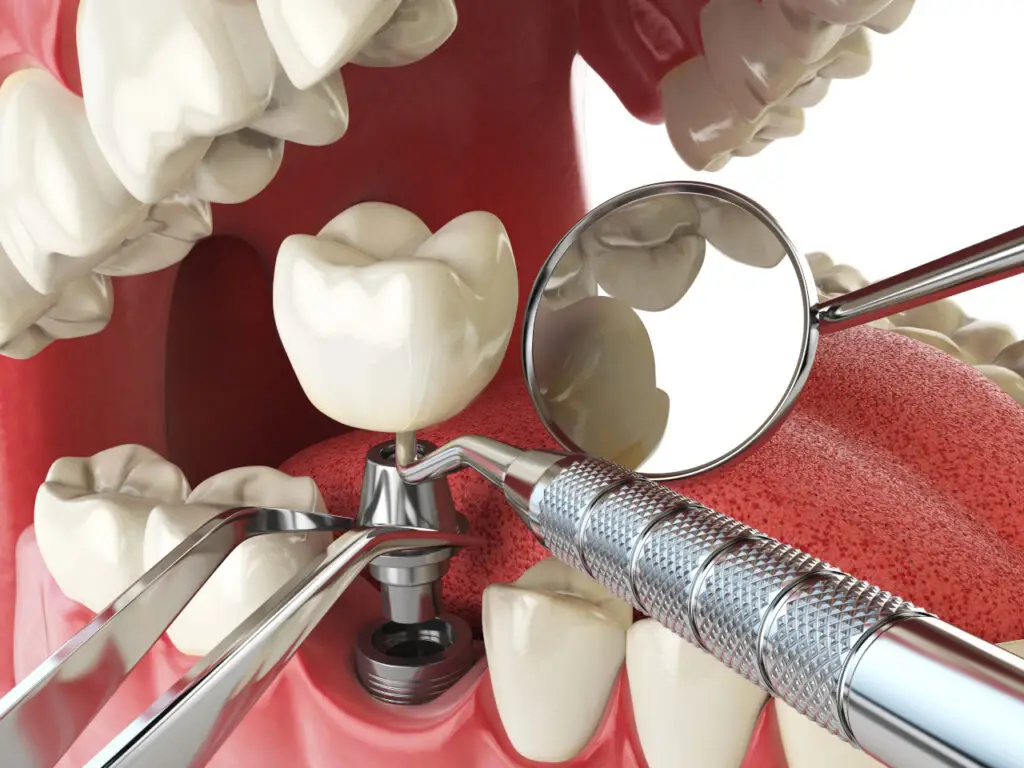
If you are considering replacing a missing tooth, you have likely heard that dental implants are one of the most effective and long-lasting solutions available. However, many patients still have questions about what the treatment process actually involves. Understanding each stage can help you feel more confident and prepared as you explore your options.
Dental implants are designed to replace missing teeth from the root up, creating a secure and natural-looking restoration that supports both oral health and daily function. Patients interested in dental implants often discover that the treatment process is more straightforward than they expected, especially when guided by an experienced dental team.
At Calaway Dental, we believe that informed patients make confident decisions. This step-by-step guide explains what Phoenix patients can typically expect during the dental implant process, from the initial consultation to the final restoration.
Why Dental Implants Are Different From Other Tooth Replacement Options
Before exploring the treatment process, it helps to understand what makes dental implants unique.
Unlike traditional bridges or removable dentures, dental implants replace both the visible portion of the tooth and the root structure beneath the gums. The implant itself is placed into the jawbone, where it serves as a stable foundation for a custom restoration.
This approach provides several advantages, including improved stability, enhanced chewing ability, and support for long-term jawbone health.
Because dental implants closely mimic natural teeth, they have become one of the most trusted solutions for replacing missing teeth.
Step 1: Your Initial Dental Implant Consultation
The first stage of treatment begins with a comprehensive consultation.
During this appointment, your dentist will evaluate your oral health, discuss your goals, and determine whether dental implants are the right solution for your needs.
The consultation often includes:
- A review of your dental and medical history
- A discussion of your treatment goals
- A comprehensive oral examination
- Digital imaging or X-rays
- An evaluation of bone density and gum health
This information allows your dentist to develop a personalized treatment plan tailored to your specific situation.
Every patient is unique, which is why individualized planning is an essential part of successful implant treatment.
Step 2: Determining Whether Additional Procedures Are Needed
Some patients can move directly into implant placement, while others may benefit from preparatory treatments.
If significant bone loss has occurred after tooth loss, additional procedures may help create a stronger foundation for the implant.
Depending on your needs, treatment recommendations may include:
- Bone grafting
- Tooth extraction
- Periodontal therapy
- Sinus augmentation in certain upper jaw cases
These procedures are designed to improve long-term implant success and create optimal conditions for healing.
Although some patients worry that needing additional treatment will complicate the process, these procedures often play an important role in achieving predictable results.
Step 3: Dental Implant Placement
Once the treatment site is ready, the implant placement procedure can be scheduled.
During this stage, the titanium implant post is carefully positioned within the jawbone. Local anesthesia is used to help ensure patient comfort throughout the procedure.
Many patients are surprised to learn that implant placement is often less uncomfortable than they anticipated.
The procedure itself is highly precise and focuses on creating a secure foundation for the future restoration.
Following placement, the implant remains beneath the gums while the healing process begins.
Step 4: Healing and Osseointegration
The healing phase is one of the most important parts of the dental implant process.
During this period, a biological process called osseointegration takes place. Osseointegration occurs when the jawbone gradually fuses with the implant surface.
This connection creates exceptional stability and allows the implant to function similarly to a natural tooth root.
Healing times vary depending on the individual patient and treatment circumstances. In many cases, osseointegration may take several months to complete.
Although this stage requires patience, it is one of the primary reasons dental implants offer such long-term reliability.
Throughout healing, your dental team will monitor progress and ensure everything is developing as expected.
Step 5: Placement of the Abutment
After successful healing, the next step involves attaching an abutment.
The abutment serves as a connector between the implant and the final restoration.
Once placed, the surrounding gum tissue is allowed to heal and adapt around the new component.
This stage helps create a natural-looking transition between the restoration and the gums.
For many patients, this appointment is relatively simple and requires minimal recovery time.
Step 6: Creating Your Custom Restoration
One of the most exciting parts of treatment is the creation of the final restoration.
Depending on your needs, the restoration may be:
- A dental crown for a single missing tooth
- An implant-supported bridge
- An implant-supported denture
- A full-arch restoration
The restoration is custom-designed to match the appearance of your surrounding teeth.
Factors such as size, shape, color, and bite alignment are carefully considered to create a natural result.
The goal is a restoration that blends seamlessly with your smile while providing excellent functionality.
Step 7: Final Placement and Smile Restoration
Once the restoration is complete, it is securely attached to the implant.
This final step marks the completion of the treatment process.
Patients often experience a renewed sense of confidence after seeing their completed smile for the first time.
In addition to aesthetics, many people appreciate the ability to chew comfortably, speak clearly, and enjoy daily activities without worrying about shifting restorations.
Because implants are anchored directly into the jawbone, they provide stability that closely resembles natural teeth.
Benefits of Dental Implants
- Replace missing teeth from the root up
- Provide exceptional stability during eating and speaking
- Support jawbone health and preservation
- Offer a natural appearance
- Improve confidence when smiling
- Help maintain facial structure
- Do not rely on neighboring teeth for support
- Can last for many years with proper care
- Support long-term oral health
- Allow comfortable chewing of a wide variety of foods
How Long Does the Entire Process Take?
One of the most common questions patients ask is how long dental implant treatment takes from start to finish.
The answer depends on several factors, including healing requirements, bone health, and whether preparatory procedures are necessary.
Some treatment plans can be completed relatively quickly, while others may take several months to allow for proper healing and integration.
Although the timeline may seem lengthy compared to other restorative options, many patients find the long-term benefits well worth the investment of time.
The focus is not simply on replacing a tooth, but on creating a durable foundation designed for lasting success.
How to Care for Dental Implants After Treatment
Once treatment is complete, maintaining your dental implants is relatively straightforward.
Good oral hygiene habits play an important role in protecting both the implant and surrounding gum tissue.
Recommended care typically includes:
- Brushing twice daily
- Flossing regularly
- Scheduling routine dental examinations
- Receiving professional cleanings
- Avoiding harmful habits such as chewing hard objects
Consistent care can help support long-term implant success and overall oral health.
Taking the First Step Toward a Restored Smile
Dental implant treatment is a carefully planned process designed to restore missing teeth while supporting long-term oral health. From the initial consultation through final restoration placement, every step is focused on creating a secure, functional, and natural-looking result.
While each patient’s treatment journey is unique, understanding the process can make the experience feel more approachable and less intimidating. Dental implants continue to be one of the most effective solutions available for replacing missing teeth because they restore both function and confidence.
If you are ready to learn whether dental implants are right for you, the first step is a comprehensive evaluation with an experienced dental professional who can assess your needs and discuss your treatment options.
Ready to restore your smile with dental implants? Contact Calaway Dental at 602-955-7788 or visit our office at 2111 E Highland Ave. STE B-105, Phoenix, AZ 85016 to schedule a consultation. Our team is here to help you explore your options and create a personalized treatment plan designed for long-term success.
Ready for a personal answer?
Online education is helpful, but it cannot replace an individual examination. Schedule a consultation or call the practice to discuss your next step.
Schedule online Read post ↗
 Read post ↗
 Read post ↗