Root Canal Therapy in Phoenix: Signs You May Need Treatment
At Calaway Dental, we offer compassionate root canal therapy to alleviate discomfort and save your teeth. Trust our Phoenix team for effective restorative care.
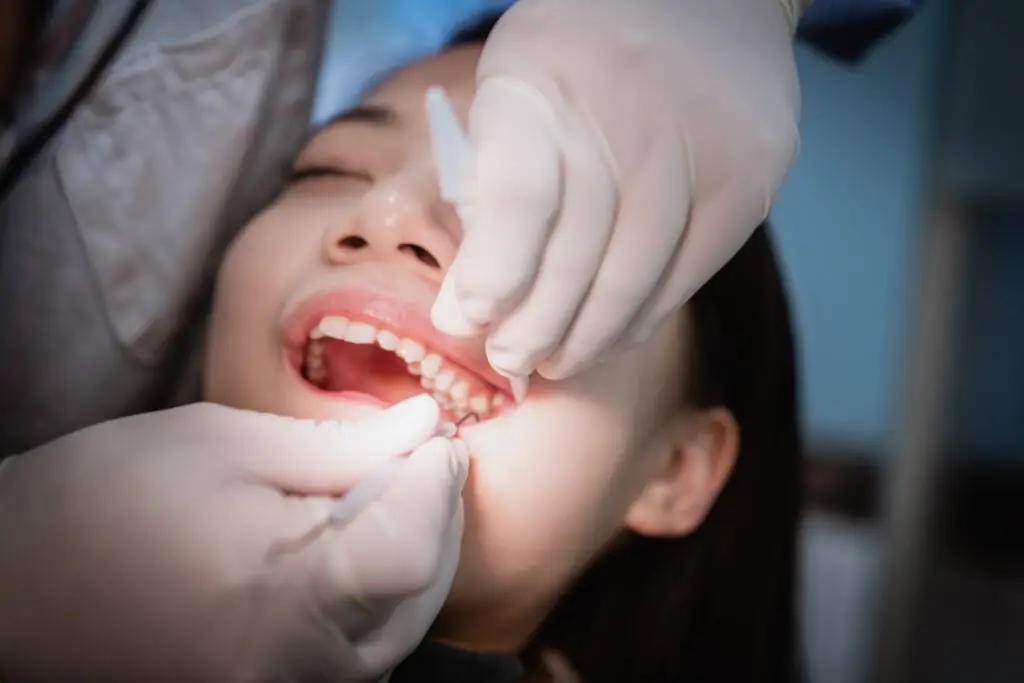
When people hear the words “root canal,” they often imagine a painful dental procedure. In reality, root canal therapy is designed to address the source of serious tooth discomfort and help preserve a natural tooth that might otherwise be lost.
At Calaway Dental, root canal therapy is one of the treatments available through our restorative dentistry services in Phoenix. We also provide root canal therapy when appropriate as part of emergency dental care. Our focus is to identify why your tooth hurts, explain what we find, and recommend the right next step based on your individual situation.
If you are experiencing persistent tooth pain or sensitivity, knowing the possible warning signs can help you decide when to call us.
Why Would a Tooth Need Root Canal Therapy?
Each natural tooth contains an inner space where nerves, blood vessels, and connective tissue are found. This soft tissue is commonly called the pulp.
If decay, a crack, trauma, or another problem allows bacteria to reach this inner portion of the tooth, the pulp can become inflamed or infected. At that point, simply repairing the outside of the tooth may not address the underlying problem.
Root canal therapy removes the affected tissue from inside the tooth, cleans and seals the internal space, and allows the remaining natural tooth structure to be preserved when possible.
In other words, the purpose is not to remove the tooth. Instead, root canal therapy is often performed because we are trying to save it.
Common Signs You May Need a Root Canal
Only a dental examination can determine whether root canal therapy is appropriate. Nevertheless, there are several symptoms that should prompt you to schedule an evaluation.
- Persistent or severe tooth pain
- Pain when biting or chewing
- Lingering sensitivity to hot or cold
- Swelling or tenderness near a tooth
- A cracked or significantly damaged tooth
- Discoloration involving one particular tooth
- A pimple-like bump on the gum near a painful tooth
Importantly, symptoms can vary. Some infected teeth cause intense discomfort, while others become less painful as the nerve tissue changes. Therefore, a tooth that suddenly stops hurting is not necessarily a tooth that has healed.
Why You Should Not Ignore Persistent Tooth Pain
A toothache is usually a symptom rather than a condition by itself. Pain tells us that something deserves attention.
If an infection is present inside the tooth, it will not normally resolve simply because you avoid chewing on that side or rely on temporary pain relief. Instead, the underlying problem can continue progressing.
As a result, waiting may eventually lead to swelling, worsening discomfort, or fewer options for preserving the tooth.
Contact us promptly if you are experiencing significant dental pain. Our emergency dentistry services include evaluation and treatment for urgent dental problems, including root canal therapy when appropriate.
Does Root Canal Therapy Hurt?
This question comes up frequently, and it is understandable. Root canals have had an intimidating reputation for generations.
However, modern root canal therapy is performed with local anesthesia to keep the treatment area comfortable. In many cases, the pain patients associate with a root canal is actually the discomfort caused by the inflamed or infected tooth before treatment.
The procedure itself is intended to remove that source of irritation.
Every patient’s experience is different, so we explain what to expect before treatment begins and welcome questions throughout your visit. Our approach emphasizes clear communication and moving at a pace that prioritizes both precision and comfort.
What Happens During Root Canal Treatment?
Your appointment begins with a careful evaluation. Digital X-rays or other diagnostics may be used to help us see what is happening beneath the visible surface of the tooth.
If root canal therapy is recommended, the tooth is numbed. We then access the inner portion of the tooth and remove the affected tissue. The internal spaces are cleaned and prepared before being sealed.
Afterward, the tooth may need a restoration to rebuild and protect it. Depending on how much tooth structure remains and where the tooth is located, a dental crown may be recommended.
Calaway Dental provides both root canal therapy and dental crowns, allowing us to consider the complete restoration of the tooth rather than focusing only on the immediate discomfort.
Why a Crown May Be Recommended After a Root Canal
A tooth that needs root canal therapy has often already been weakened by a large cavity, fracture, or previous dental work. In addition, removing compromised internal tissue does not restore missing outer tooth structure.
Therefore, some root canal-treated teeth benefit from the additional protection of a crown.
A crown covers the visible portion of the tooth and helps distribute chewing forces more evenly. This is especially important for back teeth, which absorb significant pressure when you eat.
We evaluate each tooth individually rather than assuming every root canal automatically requires the exact same restoration.
Can Root Canal Therapy Save Your Natural Tooth?
Preserving a natural tooth can offer important benefits. Your own tooth helps maintain normal chewing function, supports neighboring teeth, and preserves the natural arrangement of your bite.
When root canal therapy is successful and the tooth can be predictably restored, it may allow you to keep that tooth rather than removing it.
However, not every tooth can be saved. Severe fractures, extensive structural damage, or other complications may make a different treatment more appropriate.
Our job is to evaluate the situation carefully and explain your options so you can make an informed choice.
Benefits of Timely Root Canal Treatment
Root canal therapy is an established dental treatment used to manage infection or significant inflammation within a tooth while preserving natural tooth structure when possible. Dental research and professional guidance support appropriate endodontic treatment as an effective way to retain teeth that might otherwise require extraction.
Seeking care promptly may also reduce the chance that infection or structural damage will progress. Therefore, persistent pain, swelling, or severe sensitivity should not simply be ignored in hopes that it disappears.
Do Not Wait for Tooth Pain to Become Unmanageable
If your tooth has been hurting, feels unusually sensitive, or causes pain when you bite, the first step is finding out why. Getting an evaluation does not automatically mean you need a root canal. It simply gives us the information we need to recommend the appropriate treatment.
Contact Calaway Dental in Phoenix, AZ at 602-955-7788 or book an appointment to have your tooth evaluated and learn whether root canal therapy can help you protect your natural smile.
Ready for a personal answer?
Online education is helpful, but it cannot replace an individual examination. Schedule a consultation or call the practice to discuss your next step.
Schedule online Read post ↗
 Read post ↗
 Read post ↗