Are Dental Implants Worth It? Comparing the Long-Term Value of Tooth Replacement Options
Explore why dental implants are considered the gold standard for tooth replacement. Understand their long-term value compared to bridges and dentures.
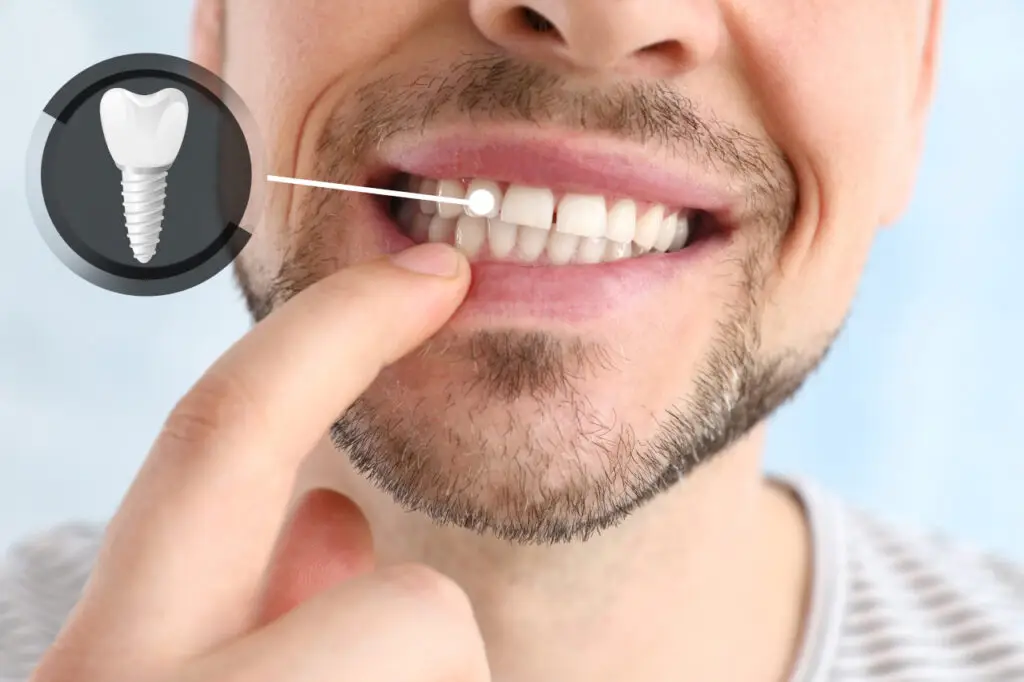
When a tooth is lost, one of the first questions many patients ask is whether dental implants are truly worth the investment. While there are several ways to replace missing teeth, including bridges and dentures, dental implants are often considered the gold standard for restoring both function and appearance. Still, understanding their long-term value is essential before making a decision.
Patients researching dental implants frequently compare treatment costs, expected longevity, maintenance requirements, and overall benefits against alternative tooth replacement options. Looking beyond the initial price can provide a more complete picture of what dental implants offer over time.
At Calaway Dental, we believe patients deserve clear information when evaluating restorative treatments. This guide explores the long-term value of dental implants and how they compare to other common solutions for missing teeth.
Why Replacing Missing Teeth Matters
Before comparing treatment options, it is important to understand why replacing missing teeth is recommended in the first place.
A missing tooth affects more than just your smile. Gaps can influence how you chew, speak, and maintain proper oral function. Over time, neighboring teeth may begin to shift, creating alignment concerns and increasing the risk of future dental complications.
In addition, the jawbone no longer receives stimulation in the area where the tooth root once existed. This can contribute to gradual bone loss and changes in facial structure.
Replacing missing teeth helps preserve oral health while restoring confidence and daily comfort.
Understanding the Different Tooth Replacement Options
Patients typically choose between three primary options when replacing missing teeth:
- Dental implants
- Traditional dental bridges
- Removable dentures
Each solution offers advantages, but there are important differences when evaluating long-term performance, maintenance, and durability.
What Makes Dental Implants Unique?
Dental implants differ from other restorations because they replace the entire tooth structure, including the root.
A titanium implant post is placed into the jawbone, where it integrates with surrounding bone tissue. Once healed, a custom restoration is attached to complete the smile.
This design allows implants to function much like natural teeth.
Unlike removable options, implants are securely anchored in place and do not rely on neighboring teeth for support.
This foundation contributes to their reputation as one of the most stable and long-lasting restorative treatments available.
Comparing Longevity: Implants vs Bridges vs Dentures
Dental Implants
One of the strongest arguments in favor of dental implants is their durability.
The implant post itself can often last for decades and may remain functional for a lifetime when supported by healthy oral habits. The restoration attached to the implant may eventually require replacement due to normal wear, but it is typically designed for long-term use.
Dental Bridges
Traditional bridges can provide effective tooth replacement and often last many years. However, they rely on adjacent teeth for support. These supporting teeth may require future treatment due to wear, decay, or structural changes.
Dentures
Dentures remain a popular solution for replacing multiple missing teeth. However, they often require periodic adjustments as the jawbone changes shape over time. Some patients also experience challenges related to fit and stability.
When viewed through a long-term lens, dental implants frequently offer the greatest longevity among common tooth replacement options.
Comparing Daily Function and Comfort
Another important consideration is how each restoration performs during everyday activities.
Eating
Dental implants provide strong biting and chewing capabilities because they are anchored directly into the jawbone.
Many patients report feeling comfortable eating a wide variety of foods without worrying about movement or instability.
Bridges can also provide reliable function, although they do not offer the same root-level support as implants.
Dentures may require patients to modify food choices or adjust eating habits to accommodate movement during chewing.
Speaking
Stable restorations can improve speech clarity and confidence.
Because implants remain fixed in place, they generally feel more natural during conversation. Denture wearers may require an adjustment period before becoming fully comfortable with speech patterns.
Comfort
Many implant patients describe their restorations as feeling similar to natural teeth. Since implants become integrated with the jawbone, they eliminate concerns about slipping or shifting.
How Dental Implants Support Jawbone Health
One of the most significant long-term advantages of dental implants is their ability to support jawbone preservation.
When a natural tooth is lost, the surrounding bone no longer receives regular stimulation. Over time, the body may begin to resorb bone in that area.
Dental implants help address this issue by transferring chewing forces into the jawbone, similar to natural tooth roots.
Traditional bridges and removable dentures do not replace the root structure, which means they cannot provide the same level of stimulation.
For patients concerned about long-term oral health, this distinction can be extremely important.
Benefits of Dental Implants
- Long-lasting tooth replacement solution
- Natural appearance and feel
- Strong chewing performance
- Stable support during speaking and eating
- Helps preserve jawbone density
- Supports facial structure
- Does not rely on neighboring teeth for support
- Easy to care for with routine oral hygiene
- Improves smile confidence
- Provides excellent long-term value
Evaluating the Financial Perspective
When comparing treatment options, many patients initially focus on upfront costs.
Dental implants often involve a higher initial investment than bridges or dentures. However, evaluating value requires considering more than the starting price.
Because implants are designed for long-term durability, many patients experience fewer replacement needs over time. In contrast, alternative restorations may require periodic adjustments, repairs, or replacement.
While every patient’s situation is unique, long-term performance often plays a significant role when calculating overall value.
For many individuals, the combination of durability, functionality, and oral health benefits helps justify the investment.
Maintenance Requirements Compared
Another factor worth considering is maintenance.
Dental implants can generally be cared for using the same daily habits recommended for natural teeth:
- Brushing twice daily
- Flossing regularly
- Routine dental checkups
- Professional cleanings
Bridges may require specialized flossing techniques to clean beneath the restoration.
Dentures often involve additional cleaning routines and overnight storage procedures.
Many patients appreciate the simplicity and familiarity of implant maintenance.
Who May Benefit Most From Dental Implants?
Dental implants may be an excellent option for patients who:
- Want a long-term tooth replacement solution
- Desire strong chewing and speaking function
- Are concerned about bone loss
- Prefer a fixed restoration rather than a removable appliance
- Want a natural-looking result
- Value long-term oral health benefits
A comprehensive evaluation can determine whether implants are the most appropriate solution for your individual needs.
Common Questions About Implant Value
Are Dental Implants More Expensive Than Other Options?
The initial investment is often higher. However, many patients consider the long-term durability and health benefits when evaluating overall value.
Do Dental Implants Require Special Care?
Implants generally require the same good oral hygiene habits recommended for maintaining natural teeth.
Can Implants Improve Quality of Life?
Many patients report increased confidence, improved comfort, and greater satisfaction with eating and speaking after treatment.
Making the Right Decision for Your Smile
Every patient has unique goals, priorities, and treatment considerations. While bridges and dentures continue to serve important roles in restorative dentistry, dental implants offer advantages that make them an appealing option for many individuals seeking long-term tooth replacement.
By replacing both the visible tooth and the underlying root structure, implants provide benefits that extend beyond appearance alone. Their durability, stability, bone-preserving capabilities, and natural function contribute to their reputation as one of the most comprehensive restorative solutions available.
When evaluating whether dental implants are worth it, many patients find that the combination of long-term reliability, oral health support, and everyday comfort delivers value that extends well beyond the initial investment.
If you are considering your tooth replacement options and want personalized guidance, the best place to start is with a professional evaluation and discussion of your goals.
Ready to learn whether dental implants are the right investment for your smile? Contact Calaway Dental at 602-955-7788 or visit our office at 2111 E Highland Ave. STE B-105, Phoenix, AZ 85016 to schedule a consultation. Our team can help you compare your options and create a treatment plan designed around your long-term oral health needs.
Ready for a personal answer?
Online education is helpful, but it cannot replace an individual examination. Schedule a consultation or call the practice to discuss your next step.
Schedule online Read post ↗
 Read post ↗
 Read post ↗