When Does a Damaged Tooth Need a Dental Crown in Phoenix, AZ?
Is your tooth feeling off? At Calaway Dental, we offer restorative dentistry in Phoenix, including custom crowns to protect and restore your smile.
Have you noticed a tooth that feels different when you chew, has a large filling, or appears chipped around the edges? Sometimes, a damaged tooth causes obvious discomfort. Other times, the problem develops gradually, and you may not realize how much the tooth has weakened until a piece breaks.
At Calaway Dental, we provide restorative dentistry in Phoenix, including custom dental crowns designed to protect compromised teeth and restore comfortable function. Our approach combines modern diagnostics, digital impressions, and personalized treatment planning so you understand your options before moving forward.
If you are wondering whether a dental crown is necessary, the answer depends on the condition of your tooth. Understanding why crowns are recommended, how they work, and what to expect can help you feel more prepared for your appointment.
What Is a Dental Crown?
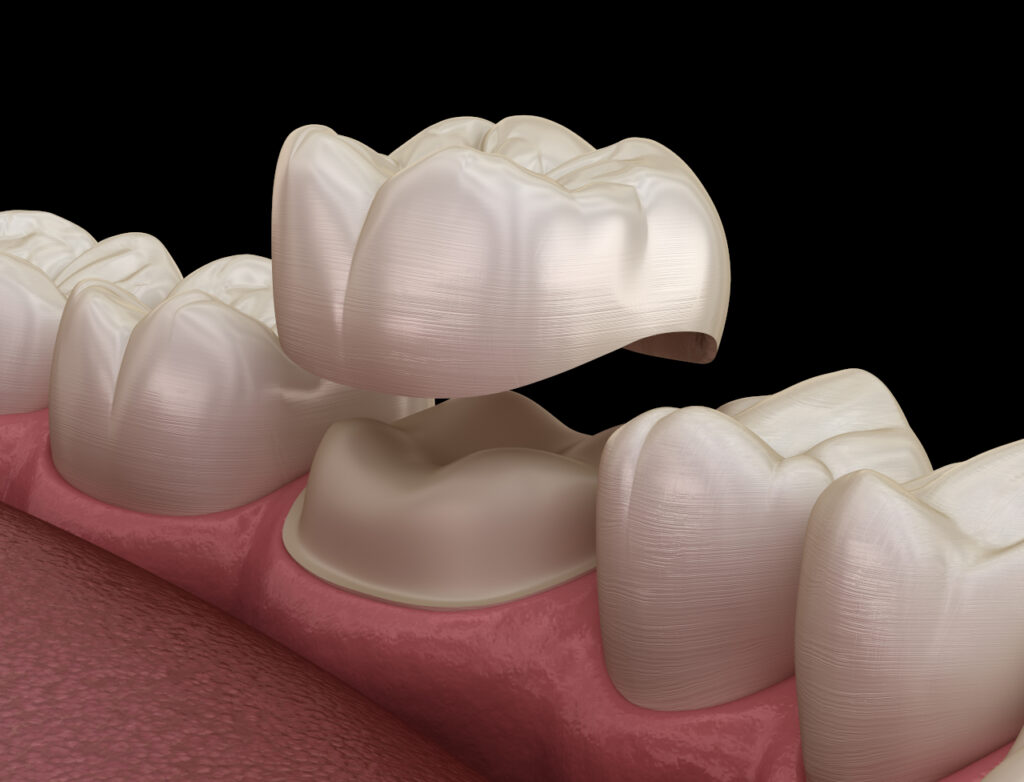
A dental crown is a custom-made restoration that covers the visible portion of a tooth. Unlike a filling, which replaces a smaller section of missing tooth structure, a crown surrounds the remaining tooth to provide protection and restore its shape.
Crowns are commonly recommended when a tooth has experienced significant damage but still has enough healthy structure to support restoration. They may also be used after certain dental procedures when additional protection is needed.
At our Phoenix dental office, we consider the strength, appearance, and function of every restoration. A crown should not simply cover a tooth. It should fit comfortably, allow you to chew properly, and complement the surrounding teeth.
That is why we evaluate your bite, existing dental work, and remaining tooth structure before recommending treatment.
Signs You May Need a Dental Crown
Some patients know immediately that something is wrong because a tooth has broken. However, other warning signs can be much less obvious.
You may need an evaluation for a dental crown if you experience:
- A cracked or fractured tooth
- Discomfort when biting or chewing
- A large filling surrounded by weakened tooth structure
- Significant wear or changes in tooth shape
- A broken or deteriorating restoration
- Extensive decay that cannot be repaired with a smaller filling
- A tooth requiring additional protection after root canal therapy
Importantly, these symptoms do not automatically mean a crown is necessary. Some teeth can be restored with fillings or other conservative treatments. Others may require more extensive care.
We use an examination and appropriate digital diagnostics to determine what is happening before discussing the most suitable restoration.
Why a Large Filling Can Weaken a Tooth
Dental fillings are effective for repairing many cavities. However, when a filling occupies a large portion of a tooth, there may be relatively little natural structure remaining around it.
Every time you chew, pressure passes through the tooth. If the remaining walls are thin, they may become more vulnerable to cracking or breaking.
For example, a back tooth with a large older filling might function normally for years. Eventually, however, repeated chewing forces may cause part of the tooth to fracture.
A crown can help protect the remaining structure by covering the tooth and distributing biting pressure across the restoration.
Nevertheless, we do not recommend replacing every large filling with a crown automatically. Instead, we assess the strength of the remaining tooth, the condition of the restoration, and the risks associated with continued use.
What Happens During Dental Crown Treatment?
Your appointment begins with a conversation about your symptoms and concerns. We examine the affected tooth and may use digital X-rays or other diagnostic tools to evaluate areas that are not visible during a standard examination.
If a crown is appropriate, the tooth is prepared to create room for the restoration. Any damaged or decayed areas are addressed as part of this process.
Next, we capture detailed impressions of the tooth and surrounding structures. Calaway Dental uses digital impressions to support accurate restorative planning.
Your crown is then designed to fit the prepared tooth while working comfortably with your existing bite. Depending on the treatment plan, a temporary restoration may be needed while the final crown is completed.
When your permanent crown is ready, we evaluate its fit, shape, appearance, and contact with neighboring teeth before securing it in place.
Throughout the process, we explain what is happening and welcome questions so you can feel comfortable with your care.
Will My Dental Crown Look Like a Natural Tooth?
Many patients worry that a dental crown will appear noticeably different from their surrounding teeth. Fortunately, modern restorative dentistry offers materials and techniques that can create natural-looking results.
At Calaway Dental, we use detailed shade matching and digital technology to plan restorations that complement your smile.
We consider several factors, including tooth color, size, proportions, and the way your teeth meet when you bite.
A natural-looking crown is not simply the brightest possible shade. Instead, it should blend with the surrounding teeth and preserve the overall character of your smile.
Our goal is to create a restoration that supports comfortable everyday function while helping you feel confident about its appearance.
Benefits of Dental Crowns for Damaged Teeth
Dental crowns offer several important advantages when a tooth has been weakened by decay, fractures, or previous treatment.
- Additional protection: A crown helps reinforce a compromised tooth and protect remaining natural structure.
- Restored chewing function: A properly fitted crown can help you bite and chew more comfortably.
- Natural appearance: Custom design and shade matching help the restoration blend with surrounding teeth.
- Preservation of natural teeth: Crowns may allow damaged teeth to remain functional rather than requiring removal.
- Long-term durability: With appropriate care, crowns can provide many years of service.
- Personalized treatment: Crown materials and design can be selected according to the needs of the individual tooth.
Dental crowns are well-established restorations supported by extensive clinical experience and research. However, their long-term success depends on appropriate treatment planning, healthy supporting structures, and consistent maintenance.
How Long Does a Dental Crown Last?
Dental crowns are designed to be durable, but they are not permanent or maintenance-free. Their lifespan depends on several factors, including the restoration material, your bite, oral hygiene, and daily habits.
For example, regularly chewing ice or using your teeth to open packages can place unnecessary stress on a crown. Likewise, nighttime grinding may increase wear on both natural teeth and dental restorations.
Brushing twice daily, cleaning between your teeth, and maintaining professional dental visits help protect the tooth beneath the crown.
Although the crown itself cannot develop a cavity, the natural tooth near its margins can still experience decay. Therefore, preventive care remains essential even after treatment is complete.
When Should You Call About a Damaged Tooth?
If you notice a crack, new sensitivity, discomfort when biting, or a broken restoration, we recommend scheduling an evaluation rather than waiting for the problem to become severe.
A weakened tooth can sometimes fracture further under normal chewing pressure. Addressing the problem earlier may help preserve more natural structure and provide additional treatment options.
If your tooth suddenly becomes very painful or breaks significantly, our emergency dentistry services can help you receive prompt guidance.
Frequently Asked Questions About Dental Crowns
Does getting a dental crown hurt?
Local anesthesia is commonly used during crown preparation to help keep you comfortable. Some temporary sensitivity afterward is possible, but significant or worsening pain should be reported to our office.
Can a cracked tooth be saved with a crown?
Some cracked teeth can be restored with crowns, depending on the location and severity of the fracture. However, cracks extending into certain areas of the tooth may require different treatment.
Is a crown better than a filling?
Neither restoration is automatically better. Fillings are often appropriate for smaller areas of damage, while crowns may provide greater protection when significant tooth structure has been lost.
Can I eat normally with a dental crown?
Once your permanent crown is placed and any anesthesia has worn off, you can generally return to normal eating according to our instructions. Avoid habits that could damage natural teeth or restorations.
How do I know whether my old crown needs replacement?
A loose crown, new sensitivity, visible damage, or changes in your bite may indicate a problem. We can examine the restoration and determine whether adjustment, repair, or replacement is necessary.
Protect Your Tooth With Personalized Restorative Care
A damaged tooth does not always need extensive treatment, but it deserves a careful evaluation. We can explain whether a crown, filling, or another restorative option is appropriate for your situation.
Ready to explore dental crowns in Phoenix, AZ? Contact Calaway Dental at 602-955-7788 or book an appointment to receive personalized guidance and protect your natural smile.
Ready for a personal answer?
Online education is helpful, but it cannot replace an individual examination. Schedule a consultation or call the practice to discuss your next step.
Schedule online Read post ↗
 Read post ↗
 Read post ↗